Donald Thompson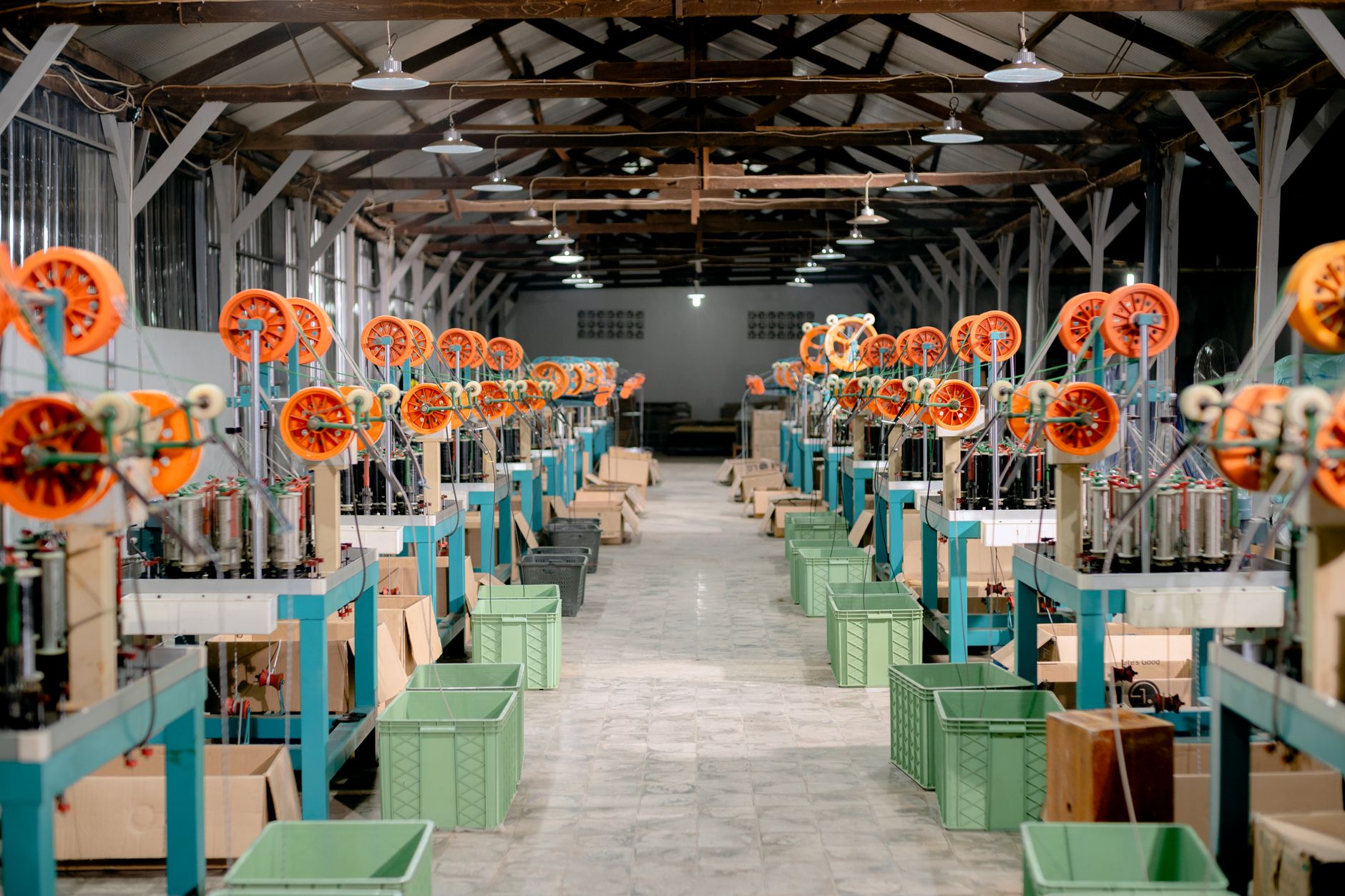
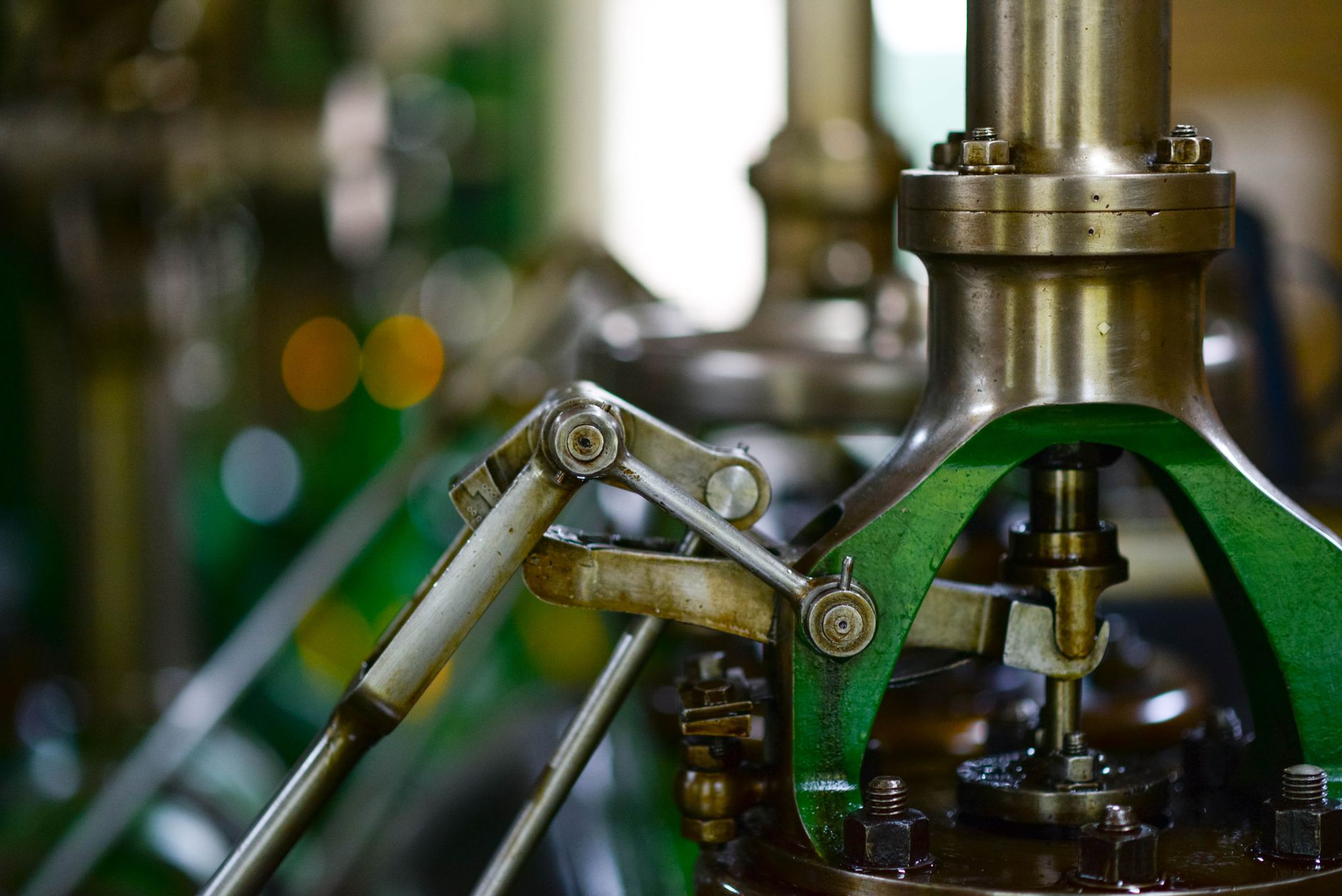
Through the 1870s, Britain’s economy was alluring in viewing world, because they elevated the bar in economic progress several decades earlier in the start of the commercial Revolution in Europe. GDP per person in great britan, for example, exceeded those of the U.S. by one-third at that time. However, Britain’s preeminence was trumped through the commencement of World war one. To find out whether this transformation was because of inefficiencies in Britain’s industry requires recognition from the contrasts between Britain and also the U.S. Even though the U.S. economy improved vis-à-vis Britain, it was largely from Britain’s control because of influential exogenous dynamics.
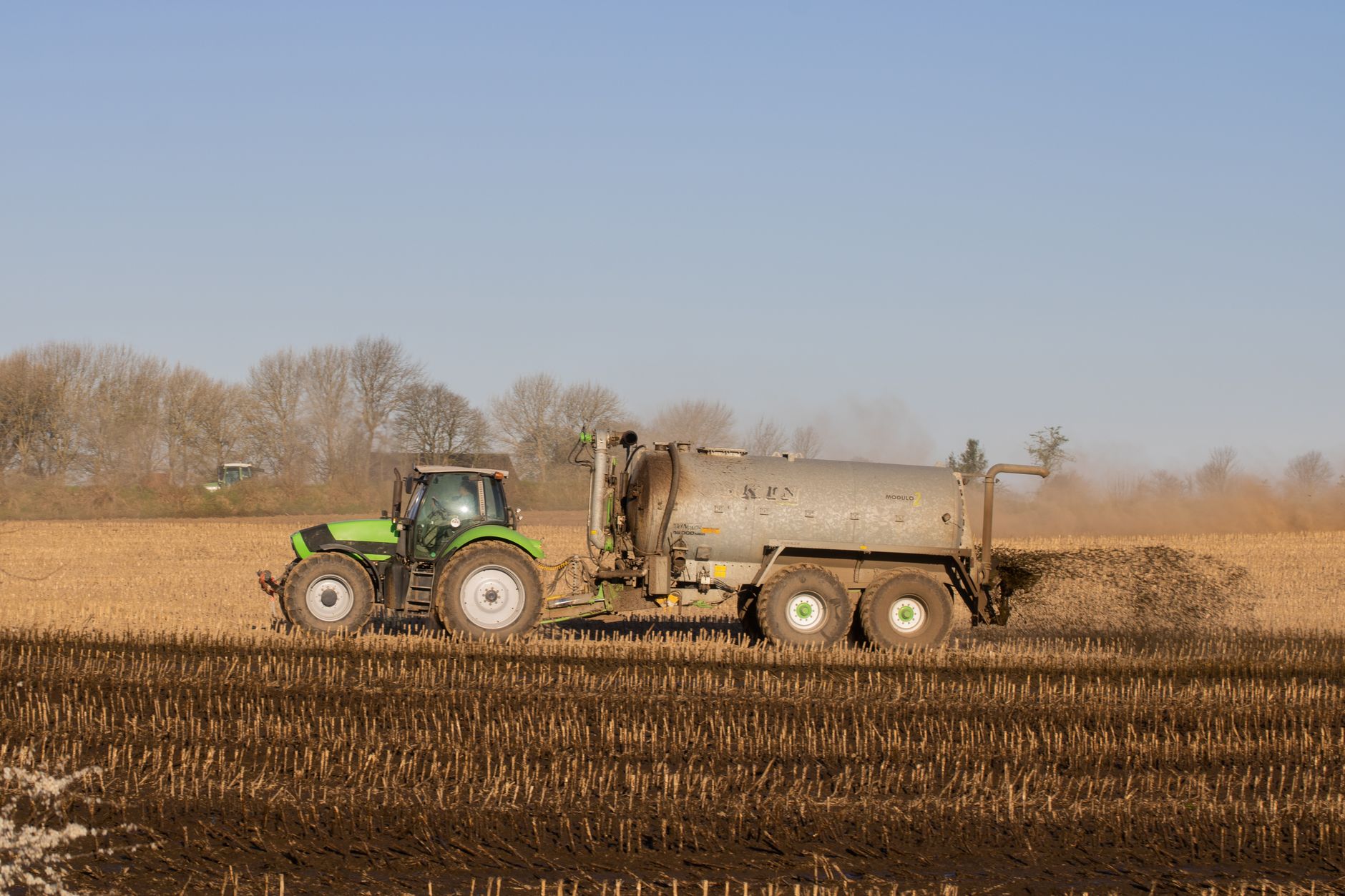
Neoclassical economic growth theory claims that technologies are a precursor to greater living standards and productivity gains. Britain and also the U.S. had completely different economies and, consequently, faced completely different economic prospects within the late 1800s. For example, the populace in great britan increased by nearly two-fold between 1860 and 1910, as the population within the U.S. tripled in that same period. Although Britain’s domestic market was smaller sized, consumer demands were significantly less homogeneous compared to the U.S. due mainly to cultural factors and wage inequality. Many British sole proprietors and partnerships developed as a result of these disparate consumer tastes through niches, producing highly specialized goods. The U.S. were built with a national, homogeneous market by which large corporations profited from economies of scale and mass production.
Factor variations backward and forward nations led to Britain taking advantage of its highly trained workforce, two-thirds which were employed with companies staffed with under 250 workers. The U.S., using its abundance of land and natural sources, centered on deploying capital and technologies within the production process instead of counting on the relatively more costly skilled workforce. In addition, the U.S. continued to be a very agrarian society in accordance with Britain before the first decades from the twentieth century. One similarity of both nations was the decline of employment in farming with time, which freed up labor to be employed in other industries.