
 Donald Thompson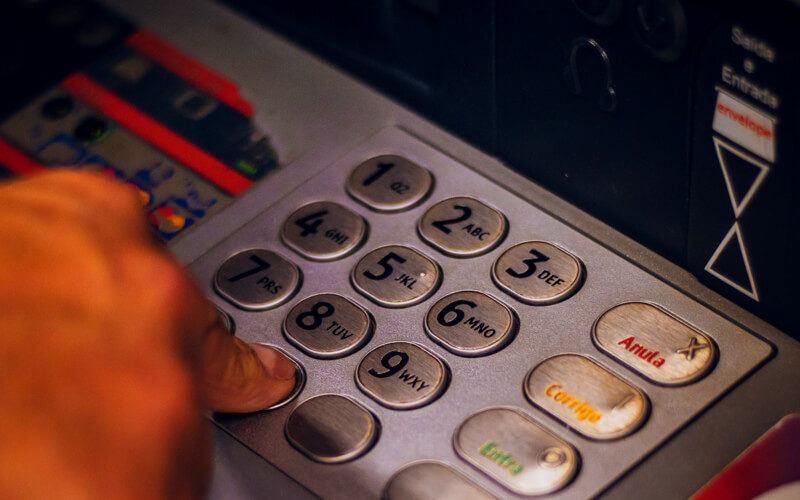
Saving money might sound like a simple concept, but in reality, it requires discipline and the right tools. That’s where savings accounts come in – your trusted companion on the path to financial security. Packed with features, it helps you manage your finances effectively, grow your money, and make transactions with ease.
Savings account, a fundamental component of personal finance, offers numerous features that meet the needs of individuals. Let’s explore some significant features of savings accounts that make them an essential tool for managing personal finances efficiently.
- Quick and Easy Financial Transactions
One of the primary features of savings accounts is to manage your financial transactions (either sending or receiving funds) effectively. Whether you’re receiving your salary, paying bills, or transferring money, a savings account makes these processes quick and straightforward. Services like net banking (including NEFT, RTGS, and IMPS), ATM-cum-debit cards, cheques, and cash withdrawal slips further simplify managing your finances.
Additionally, many banks offer dedicated bill payment facilities, allowing customers to set up standing instructions for recurring payments like electricity, water, and phone bills. This automation reduces the hassle of manual payments and ensures you never miss a due date.
- Growth of Wealth with Interest Earnings
Savings accounts aren’t simply storage units for your money. They offer the opportunity to earn interest on your deposits. This interest rate, typically ranging from 3% to 7% in India, varies between banks and fluctuates based on the Reserve Bank of India’s repo and reverse repo rates. While the interest earned might seem small at first, it allows your savings to grow steadily over time and encourages the habit of saving.
- Withdrawal Flexibility
Unlike fixed deposits or investments with lock-in periods, savings accounts offer high liquidity. You can access your funds readily without any restrictions or penalties for withdrawal. This feature provides peace of mind, knowing you have a financial safety net in times of need. Unexpected house maintenance, medical bills, or simply taking advantage of a sudden opportunity – a savings account ensures you have the flexibility to respond.
- Convenience of Debit Cards
All savings account holders typically receive a debit card from their bank. This card is a versatile tool that can be used to withdraw cash from ATMs and make payments for convenient in-store purchases. You can also securely link your debit card with payment gateways for smooth online transactions. Debit cards are widely accepted, making them essential for everyday financial activities and providing a secure, convenient way to access your funds.
- Net Banking and Mobile Banking
As passbooks and cheques become less common, net banking and mobile banking are growing in importance. Every bank offers net or mobile banking with your savings account if you choose to use it. These services let you send and receive payments online by logging into your account.
Mobile banking enhances this experience by allowing you to download your bank’s app on your phone, giving you access to your account anytime. You can use the app for almost all savings account services, including sending and receiving payments, viewing account statements, filing complaints, and more.
- Minimum Average Balance
Although many banks now offer ‘zero minimum balance savings accounts,’ most regular savings accounts require account holders to maintain a minimum average balance. If this balance is not maintained, the account holder will incur a penalty. Both the required minimum average balance and the penalty vary from bank to bank.
- Diverse Account Types
Banks offer a variety of savings accounts to cater to different customer needs. These include Regular Savings Accounts, Salary Accounts, Kids’ Savings Accounts, Women’s Savings Accounts, Senior Citizens Savings Accounts, and Premium Savings Accounts. Each type is designed to meet specific requirements, ensuring customers find an account that meets their financial goals.
For instance, Salary Accounts often come with additional benefits, such as rebates on bank fees, loan discounts, rewards programs, and more, for salaried individuals, while Kids’ Savings Accounts are designed to teach saving habits in children.
- Zero-Balance Accounts
Beyond the standard savings accounts, banks also provide zero-balance accounts, which do not require maintaining a minimum balance. These accounts, such as those under the Pradhan Mantri Jan Dhan Yojana, aim to promote financial inclusion by making banking accessible to all sections of society. They offer basic banking services without the burden of maintaining a minimum balance, ensuring that everyone can enjoy the benefits of formal banking.
Take Away
Savings accounts are essential for effective personal financial management, offering a range of valuable features. They provide easy transactions and the opportunity to earn interest on your deposits, helping your money grow over time. With various types of accounts available, you can choose the one that best suits your needs. Savings accounts also offer flexibility in accessing your funds whenever necessary. By utilizing a savings account, you can manage your finances wisely, save for future goals, and benefit from the convenience and security of modern banking services. Overall, a savings account is a fundamental tool for achieving financial stability and planning for a secure future.


 Thomas





